Tea 101
RSS-
So you might have heard us use the term first flush, second flush and autumn flush particularly when talking about teas from Darjeeling and Nepal. What do these terms mean? Very simply they are used to distinguish different tea productions on the basis of seasons.Read now -
History of Darjeeling Tea - the German Connection ~ Part 2
Read now
One day in 1888, accompanied by his two little boys, Andrew Wernicke went down to Pandam tea estate, located below Darjeeling town on the northern slope. He had just bought the “rifle range” part of the estate. Upon arrival at the factory some old workers asked Andrew Wernick for a sign by which they might recognize him as the new owner. Wernicke reached for a branch of a nearby tree and broke it. “This simple procedure was enough to satisfy them,” recalled one of the sons later.
-
History of Darjeeling Tea - the German Connection ~ Part 3
Read now
Around the middle of the 19th Century, the British colonialists launched a massive effort to grow tea in India. They wanted to break the monopoly of China in the tea trade once and for all; trafficking opium into China had been only an interim measure. (Britain had been pumping opium into China to get back the silver bullions that it had paid for the tea.)
-
History of Darjeeling Tea ~ German Connection Part 4
Read now
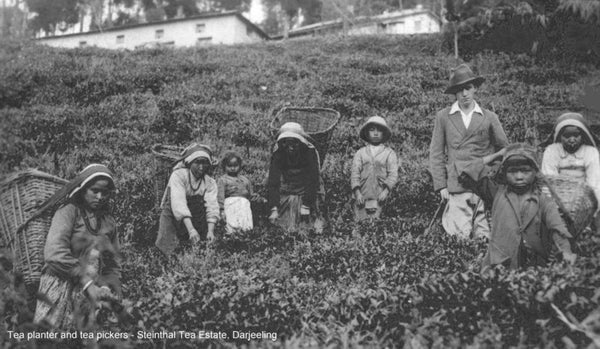
While the Wernickes ran a much larger tea enterprise, it was the Stoelkes who were the first to venture into the fledgling industry. Joachim Stoelke, a first generation settler, set up Steinthal Tea Estate in his homestead of 45 acres, located just below Darjeeling town in the early 1850s. It was one of the first tea estates to be set up in the hills.
Joachim Stoelke was around 41 when he started Steinthal, and although had fallen out of the Baptist mission that originally brought them to the place he must have continued to preach independently. The tea estate even today is often called "Padri Kaman", or the priest's tea garden, by the locals. -
A man from Malta, Darjeeling Tea and Birds - Part 1
Read now
Lured by adventure and the prospect of fortune, the Darjeeling tea industry attracted some interesting characters. One such was Louis Hildebrand Mandelli Castelnuovo. Descendant of Count Castel-Nuovo, a Maltese aristocrat, Mandelli is reputed to have fought alongside the Italian hero Garibaldi, and fled to South America before making his way up to Darjeeling.
-
A man from Malta, Darjeeling tea and birds - Part 2
Read now
By 1871 Mandelli had become part-owner of a tea garden. He and WR Martin jointly bought Bycemaree, a tea garden near Siliguri in the plains. This would be part of what is now called the Terai tea growing region that borders Darjeeling tea district to its north. The expanding tea plantations were part of a tea juggernaut that the British Empire was to roll out soon through parts of India and Sri Lanka, eventually decimating the Chinese tea market for a century and more.
-
Darjeeling Tea Gardens
Read nowThe names of our Darjeeling teas actually include the tea garden from where they were grown and manufactured. This is the historic way of identifying and authenticating these magnificent teas. Arya, Puttabong, Phoobsering, Singbulli, Sungma, Turzum, etc, exotic and hard to pronounce tea gardens have worked diligently to build their reputations of producing some of the world's best teas. When the garden is identified you are buying into their long standing reputation for excellence and high tea manufacturing standards. Because it takes many years to build a good reputation, tea gardens work extremely hard to maintain the highest standards and protect their brand.
-
Say Dar-gee-ling
Read nowPeople sometimes have trouble pronouncing the word Darjeeling. Indeed there are a lot of teas whose names can sound a tad too exotic for its own good! We do not want you to not ask or try a tea just because you cannot say it. Because I originally come from Darjeeling, let me help you.
(The video should also help you with my name. :) -
Darjeeling Tea Gong-fu Style
Read now
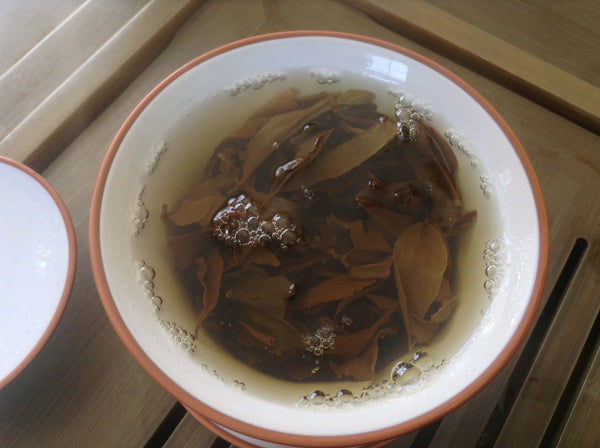
Darjeeling tea has historical roots in China, being transplants of saplings that Scot botanist Robert Fortune smuggled out of forbidden kingdom in early 1850s. Even though Darjeeling has come a long way both literally and figuratively in the tea world, carving out its own hallowed niche, it is fun sometimes to marry these two tea traditions.