


Nurbong: A Tea Garden Close to Home
There are places that remain close to us, no matter how far away life takes us. For me, one such place is a beautiful valley in the foothills of Darjeeling, home to Nurbong Tea Estate. During my recent visit...
There are places that remain close to us, no matter how far away life takes us. For me, one such place is a beautiful valley in the foothills of Darjeeling, home to Nurbong Tea Estate. During my recent visit...


On a cold winter day in January of 1842 two young German missionary families, the Wernickes and Stolkes arrived to Darjeeling, a densely forested and sparsely populated remote region of the Himalayas. Only seven years previous, the area had been taken on lease by the British colonialists from the Kingdom of Sikkim.


Lured by adventure and the prospect of fortune, the Darjeeling tea industry attracted some interesting characters. One such was Louis Hildebrand Mandelli Castelnuovo. Descendant of Count Castel-Nuovo, a Maltese aristocrat, Mandelli is reputed to have fought alongside the Italian hero Garibaldi, and fled to South America before making his way up to Darjeeling.


By 1871 Mandelli had become part-owner of a tea garden. He and WR Martin jointly bought Bycemaree, a tea garden near Siliguri in the plains. This would be part of what is now called the Terai tea growing region that borders Darjeeling tea district to its north. The expanding tea plantations were part of a tea juggernaut that the British Empire was to roll out soon through parts of India and Sri Lanka, eventually decimating the Chinese tea market for a century and more.

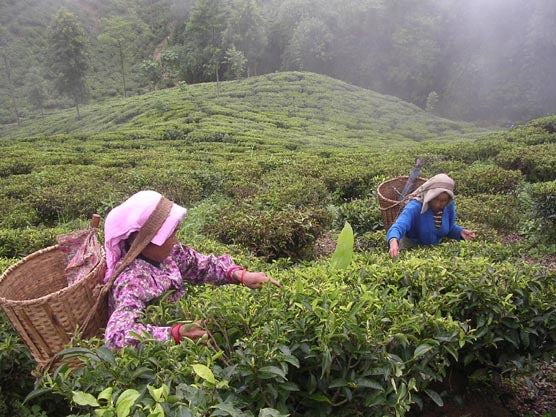
The names of our Darjeeling teas actually include the tea garden from where they were grown and manufactured. This is the historic way of identifying and authenticating these magnificent teas. Arya, Puttabong, Phoobsering, Singbulli, Sungma, Turzum, etc, exotic and hard to pronounce tea gardens have worked diligently to build their reputations of producing some of the world's best teas. When the garden is identified you are buying into their long standing reputation for excellence and high tea manufacturing standards. Because it takes many years to build a good reputation, tea gardens work extremely hard to maintain the highest standards and protect their brand.

Sen Rikyu, the great Japanese tea master said: "Chado (Way of Tea) is nothing but bringing hot water to tea leaves and drinking it." We adopt the master's way in making of Darjeeling tea for this video. This is a simple but tried and tested method for getting the best out of your Darjeeling tea.

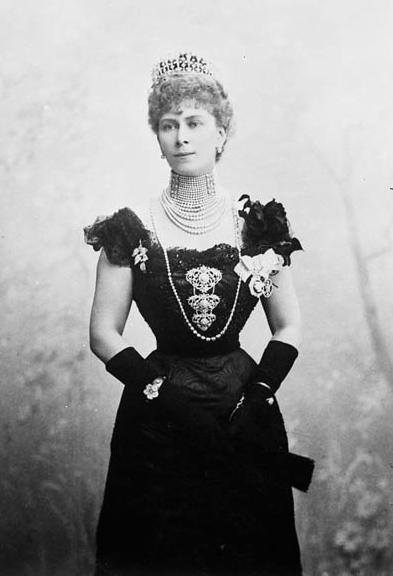
So which tea did Queen Mary (1867-1953) so prize that she had to keep it locked in a cupboard?
According to James Norwood Pratt, pioneer of the current tea wave in the USA, it was "a fine Darjeeling with a pronounced muscatel flavor." This was the Queen Mary Tea Twinings sold as the personal choice of the late Queen Mary, he adds, in his book The Tea Lovers' Treasury.
A bit of internet "research" showed that Twinings had launched this tea in 1916 and discontinued it only in 2007, after over 91 years! It is amazing the brand lasted so long. But we amuse ourselves with the thought that they could have given it 10 more years and let it retire at a more auspicious and grand 100 years! That is if they had to drop this tea from their stable.

People sometimes have trouble pronouncing the word Darjeeling. Indeed there are a lot of teas whose names can sound a tad too exotic for its own good! We do not want you to not ask or try a tea just because you cannot say it. Because I originally come from Darjeeling, let me help you.
(The video should also help you with my name. :)